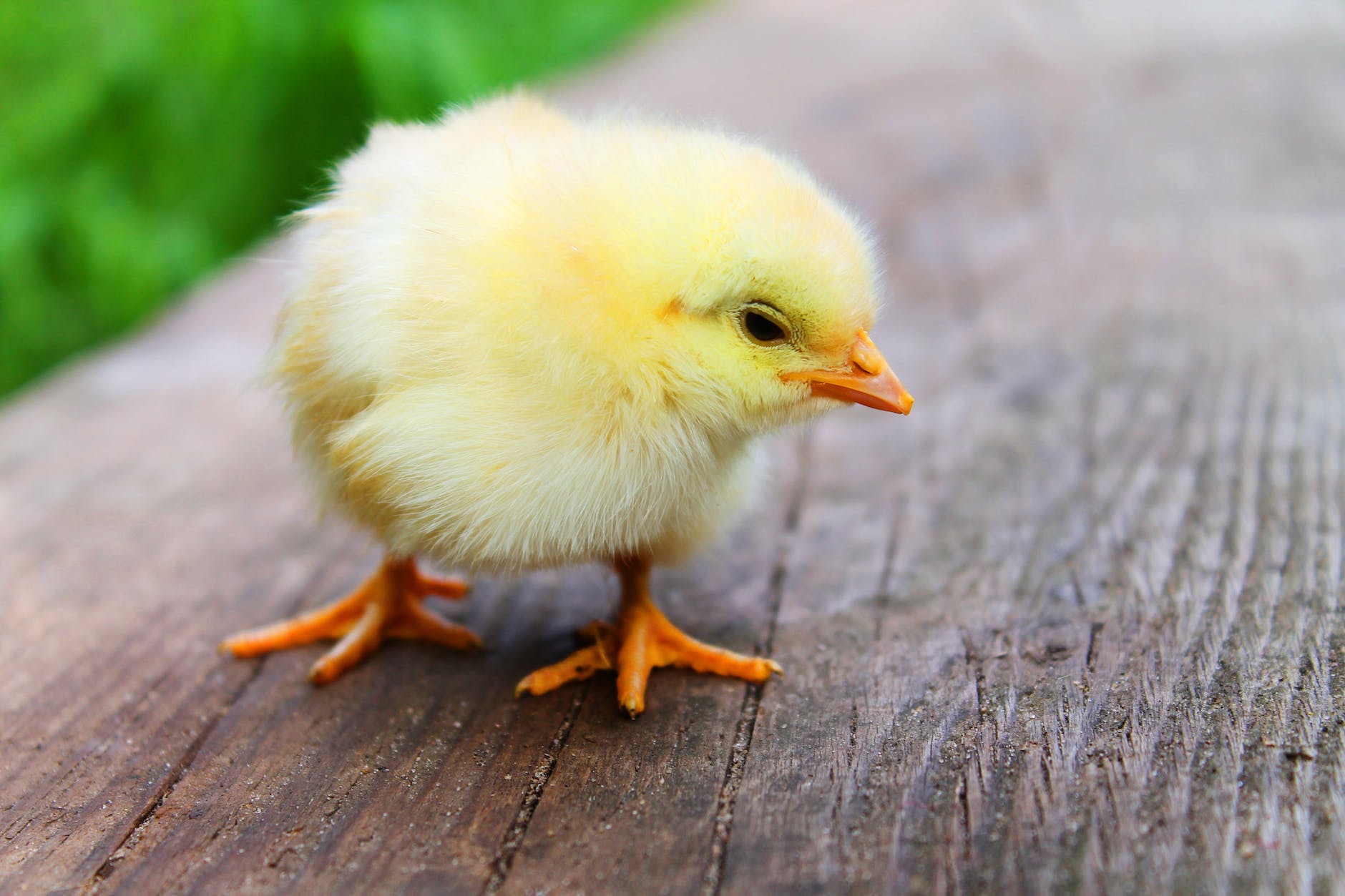
Chances are, if chicken-keeping has crossed your mind at all, you’ve probably perused a website or two to see what all breeds are out there. Aaaand if you’re anything like me, you found yourself completely overwhelmed by ALLLLLL the choices.
Let me help you narrow down your choices by looking at the top 3 breeds in a number of categories. Once you know what you want to buy, you can figure out where and how to buy.
First things first–are you raising chickens, for meat, eggs, or both?
I talk more in-depth about goals, and fleshing those out, in this post.
The top breed for meat is the Cornish Cross. This breed is a simple hybrid–the result of breeding Cornish and Plymouth Rocks. Cornish hens are known for their heavy breast, and Plymouth Rocks are known for their rapid growth and large size. The result? A large, heavy-breasted, fast-growing chicken that is ready for your dinner plate in 8 weeks. Raising Cornish Cross chickens is simple, though there are certainly differences between raising Cornish Cross and raising basically every other breed. Cornish Cross, due to their rapid growth, are not able to reproduce naturally. Other breeds raised for meat or dual-purpose are able to reproduce. But if your goal is meat, you can’t beat Cornish Cross for their feed-to-meat conversion.
I’m not going to go through every single breed in the breeds guide below. That would make this post WAY longer than you want to read–or I want to type! I just wanted to give you that little tidbit of information because those differences are notable. Most chicks remain in a temperature-controlled brooder for 6-12 weeks, depending on your climate and outdoor temperatures at the time they have feathers instead of fluff. Cornish Cross are ready for pasture in anywhere from 9 days to 25 days, depending on climate and outdoor temperatures.
If eggs are your main goal, are you looking for high production, or do you want the pretty blues, greens, and the coveted deep, dark brown of Copper Marans?
Do you live in a cold climate, hot climate, or somewhere in between? Some breeds are better suited for cold climates, and some are better suited for warmer climates. Here in north central Texas, we’ve seen temperatures from 5 below 0, all the way up to 115. So our flock consists of both cold-climate birds, and warm-climate birds. We have a mix of high producers of white and brown eggs, as well as green and blue egg layers. Nothing makes my heart beat like an egg carton full of different shades of brown, blue, green, and white eggs!
Again, in exploring your goal, are you looking for food security? Or maybe a fun and entertaining hobby? For some, just having something fun to watch in the backyard is the goal! In that case, there are ornamental birds that are just entertaining to own. They may not be high egg producers. But if breakfast is at least a partial goal, you can easily balance out an exotic bird or 2 with a few high producers. Silkies are the only breed on my breed list that I have actually owned–so far! My middle daughter desperately wants a Polish hen, and I’m sure we’ll make that happen at some point! But they’re a joy to watch, and appear more fluffy than feathery. And their eggs are tiny, which is just fun!
The breeds on this list are, by no means, exhaustive. There are SO many different chicken breeds out there. But this list, with its different categories, is designed to get your creative and planning juices flowing, and help you narrow down your choices from the hundreds of options out there.
Just remember–you can always add more chickens to your flock MUCH easier than you can having to get rid of some! So it’s best to start small, and grow from there.
Also, you need to know that chicken math is real. You might set out to get 10 chickens, but next thing you know, you have 20 ordered, and while shopping for brooder supplies, you end up with another 10 from Tractor Supply, faster than you can say “I’m a crazy chicken lady”! Ask me how I know!
 Boots and Roots
Leave a comment